Why Two Passengers on the Same Flight Pay Different Prices
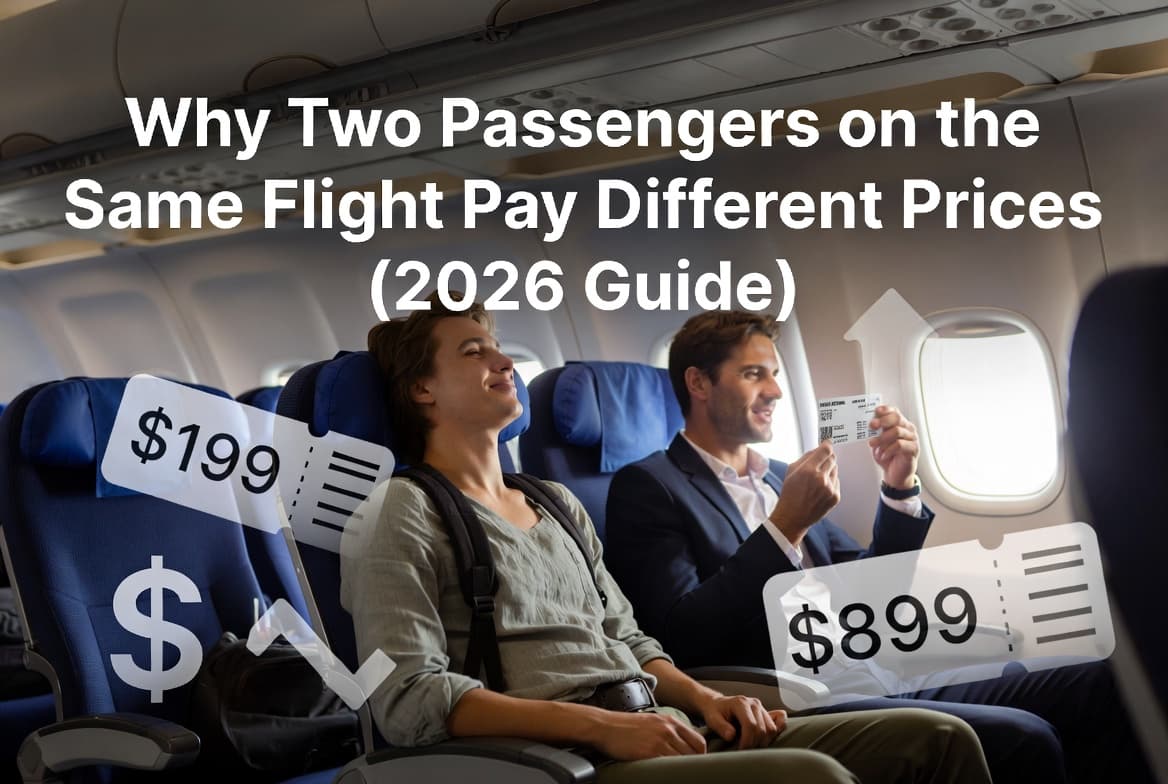
Ever compared notes with the person sitting next to you and realized they paid noticeably less for the exact same seat, on the exact same flight? It happens constantly, and it isn't a glitch or an accident. Airlines use deliberately sophisticated pricing systems designed to get as much revenue as possible out of every flight — which means two people in identical seats can easily have paid very different prices.
The Short Answer
Airlines don't price a flight once and sell every seat at that price. They use dynamic pricing, fare classes, and demand forecasting to sell the same cabin at many different price points over time, based on how far out you book, how much demand there is for that route, and how many seats are left.
Airlines Price for Revenue, Not Just for Full Flights
It's tempting to assume airlines price tickets based on distance flown or the cost of operating the flight. In practice, pricing is driven largely by what the airline believes different passengers are willing to pay — a discipline the industry calls revenue management.
The goal isn't simply to sell every seat. It's to maximize the total revenue from the flight. Selling every seat at one low price fills the plane but leaves money on the table from passengers who would have paid more. Selling seats at a range of price points — some cheap, some expensive — generally brings in more total revenue than a single flat fare would, which is why airlines almost always price this way.
What Are Fare Classes?
One of the biggest reasons two passengers in the same cabin pay different amounts is the fare class system, sometimes called fare buckets. Most travelers only think in terms of Economy, Premium Economy, Business, and First. But behind the scenes, a single cabin like Economy is usually divided into several fare buckets, each with its own price and its own restrictions around things like changes, refunds, and how many seats are allotted to it.
As the cheaper buckets sell out, the airline's system automatically starts offering the next, more expensive bucket to new bookings — even though the seat itself is identical. That's why two passengers sitting side by side may have paid noticeably different amounts without either of them doing anything unusual.
Why Booking Timing Matters
Timing is one of the strongest levers in airline pricing. Broadly speaking, fares tend to be lower when there's plenty of time before departure and airlines are still trying to build demand, and they tend to climb as the departure date gets closer and remaining inventory shrinks, especially on routes with strong demand. As seats in the cheaper fare buckets sell out, later bookers get shifted into pricier ones. This is a big part of why booking well ahead of a trip, particularly for international travel, tends to produce better fares than booking at the last minute.
Dynamic Pricing: Constantly Moving Targets
Airlines continuously adjust prices based on a mix of signals, including current demand, how much inventory remains, what competitors are charging, seasonality, historical booking patterns for that route, and fuel and other operating costs. Pricing systems reevaluate these signals constantly, which is why the fare for the same flight can change within hours, even without any seats actually selling.
Business Travelers vs. Leisure Travelers
Airlines also price around traveler behavior. Leisure travelers tend to book further ahead and are generally price-sensitive, so airlines compete harder for their business with lower advance fares. Business travelers often book closer to departure, need specific flight times, and are typically less sensitive to price, so airlines can charge a premium for that flexibility and convenience. That's a major reason certain routes with heavy business traffic rarely get genuinely cheap, even at the last minute: demand from less price-sensitive travelers stays strong regardless of how close it is to departure.
How Competition Affects Prices
Routes served by several competing airlines tend to have lower average fares, since carriers have to price against each other to win passengers. Routes with limited competition, whether a single dominant carrier or a route few airlines bother to serve, tend to hold higher prices, because there's less competitive pressure pushing them down.
Why Different Search Engines Show Different Prices
It's common to see slightly different fares for what looks like the same flight across different search sites. This can happen because of differences in how often each site refreshes its data, differences in partner or booking fees baked into the displayed price, currency conversion, and differences in which booking source or fare class each site is pulling from. Because of this, it's worth comparing more than one search engine before booking rather than trusting the first price you see.
How to Avoid Overpaying
- Book earlier when you can. For international routes especially, booking further ahead generally produces better fares than waiting.
- Use fare alerts. Price tracking tools can flag drops on routes you're watching.
- Compare more than one search engine. Don't rely on a single platform's price.
- Check nearby airports. Alternative airports in the same metro area can carry noticeably different fares.
- Stay flexible on dates. Shifting your departure by even a day or two can sometimes make a real difference in price.
Frequently Asked Questions
Why did the person next to me pay less?
Most likely they booked earlier, secured a lower fare bucket, or booked during a period of lower demand for that flight.
Do airlines raise prices because I keep searching the same flight?
There's little solid evidence that repeated searching by itself drives fares up. Price movement is generally driven by changing inventory and demand rather than by an individual traveler's search history.
Are last-minute flights ever cheaper?
Occasionally, but it's the exception rather than the rule — most routes get more expensive, not less, as departure approaches.
Should I book directly with the airline?
It's often a reasonable choice, since direct bookings can make it easier to manage changes, refunds, and customer support if something goes wrong, though comparing prices across a few sources first is still worthwhile.
More in Travel Information

What Happens to Empty Airline Seats
An empty row looks like wasted revenue, but airlines rarely leave it to chance. Here's why seats fly empty on purpose, and what actually happens to them.
Flight Cancellation and Refund Policies Explained
What actually happens when your flight is cancelled — refund types, regional passenger rights, and how to push back if an airline denies a claim you believe you're owed.
How Airline Alliances Affect Ticket Prices
Star Alliance, SkyTeam, and oneworld look like competition on a search results page. Often, they're cooperating instead — and the effect on price cuts both ways.