How Airline Alliances Affect Ticket Prices
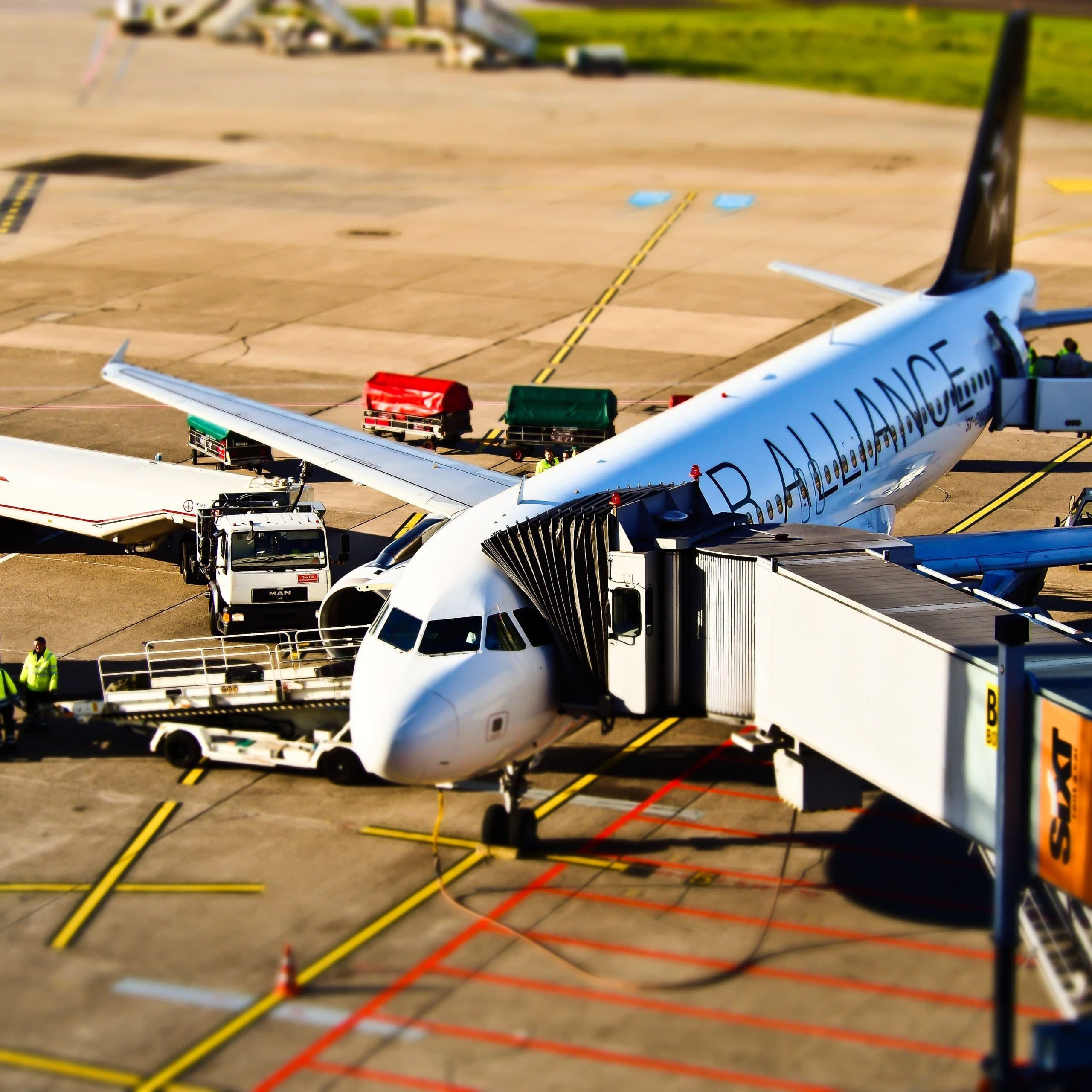
Search a long-haul route and you'll often see three or four airlines with strikingly similar fares and schedules. It can look like healthy competition. Frequently, it isn't — those airlines may belong to the same global alliance, coordinating with each other on the very routes where they appear to be rivals.
The three big alliances
Global aviation is organized around three major alliances: Star Alliance, founded in 1997 and anchored by carriers like United, Lufthansa, ANA, Air Canada, and Singapore Airlines; SkyTeam, launched in 2000 and built around Delta, Air France, KLM, and Korean Air; and oneworld, formed in 1999 around American Airlines, British Airways, Qantas, Cathay Pacific, and Japan Airlines. Together they connect the large majority of major long-haul markets. Membership isn't permanent — SAS, for example, moved from Star Alliance to SkyTeam in recent years, a reminder that these alliances are business arrangements, not fixed geography.
Not all cooperation is equally deep
Alliance membership covers a range of arrangements, and the level of cooperation matters a lot for what it does to price.
At the lightest level, airlines share loyalty program benefits, lounge access, and marketing — cooperation that mostly affects the passenger experience and has little direct bearing on fares. One level deeper is codesharing, where partner airlines sell seats on each other's flights under their own flight numbers, letting a traveler book a single itinerary that spans multiple carriers.
The deepest form is the joint venture, sometimes backed by regulatory antitrust immunity, where partner airlines are permitted to coordinate fares, schedules, and capacity on shared routes as if they were a single carrier. This level of integration is what actually moves prices — and it can move them in two opposite directions at once.
The case where alliances lower prices
When two independent airlines each price their own leg of a connecting itinerary, each one tends to add its own markup on top of the other's, a pattern economists call double marginalization — the combined fare ends up higher than it would be if one carrier controlled and priced the whole trip. Deep alliance cooperation, particularly through joint ventures, lets partner airlines coordinate pricing across a connecting itinerary instead of pricing each leg in isolation. That coordination can genuinely bring the end-to-end fare down on routes that require a connection between two alliance partners.
The case where alliances raise prices
The same coordination that helps connecting fares can work against passengers on routes where alliance partners would otherwise be competing directly. If two carriers that used to set schedules and prices independently start coordinating capacity on an overlapping nonstop route, some of the competitive pressure that would normally keep fares in check simply disappears. This is exactly why regulators keep a close eye on alliance joint ventures — cooperation that helps travelers on connections can, on the same set of routes, soften competition on nonstops. Transatlantic flying is the clearest example: joint ventures anchored by each of the three alliances now cover a large share of the U.S.–Europe market, and regulators have periodically stepped in, including unwinding at least one major transborder joint venture in recent years, when they judged the arrangement had gone too far toward reducing competition rather than improving connectivity.
What passengers actually get out of it
Setting price aside, alliance membership does deliver real, tangible benefits. You can book a single itinerary spanning multiple partner airlines rather than juggling separate reservations. Loyalty miles typically work across the alliance, so status earned with one airline is recognized by its partners, often with matching lounge access and boarding priority. Round-the-world tickets, which combine segments from multiple alliance carriers into one multi-continent itinerary, are a genuine value that would be far more complicated to assemble airline by airline. None of that offsets a higher fare if you're specifically paying more because of reduced competition on a nonstop route, but it's real value that alliances provide, and it's part of why they persist despite the antitrust scrutiny.
The airlines that opted out
Not every major carrier belongs to one of the big three. Emirates, Etihad, Southwest, JetBlue, and the large European low-cost carriers like Ryanair and EasyJet all operate outside the alliance system, either building their own bilateral partnerships or competing largely on price against alliance members. On routes where one of these independents competes directly with alliance carriers, that competition tends to be genuine rather than coordinated — worth remembering when you're comparing fares and one of the options isn't part of an alliance at all.
How to actually use this when you're booking
A few habits follow naturally from how alliances work. It's worth comparing fares across all three alliances rather than sticking to one, since pricing on the same route can differ meaningfully between them. It's also worth checking independent, non-alliance carriers specifically, since they're the ones most likely to be pricing against alliance members rather than alongside them. And counterintuitively, connecting itineraries through an alliance partner are sometimes the cheaper option relative to a nonstop flight, precisely because of how joint ventures price connections — so it's worth not assuming direct is automatically less expensive. If you already hold elite status with one airline, using it across its alliance partners for lounge access and priority boarding is one of the more reliable ways to get real value out of the arrangement, regardless of what the fare itself looks like.
More in Travel Information

What Happens to Empty Airline Seats
An empty row looks like wasted revenue, but airlines rarely leave it to chance. Here's why seats fly empty on purpose, and what actually happens to them.

Flight Cancellation and Refund Policies Explained
What actually happens when your flight is cancelled — refund types, regional passenger rights, and how to push back if an airline denies a claim you believe you're owed.
How Airline Route Planning Works
Hub-and-spoke, point-to-point, fleet assignment, slots, and the twice-yearly schedule reset — the moving parts behind every route on an airline's map.